
Jack Hammer Buying Guide for Construction and Demolition Work
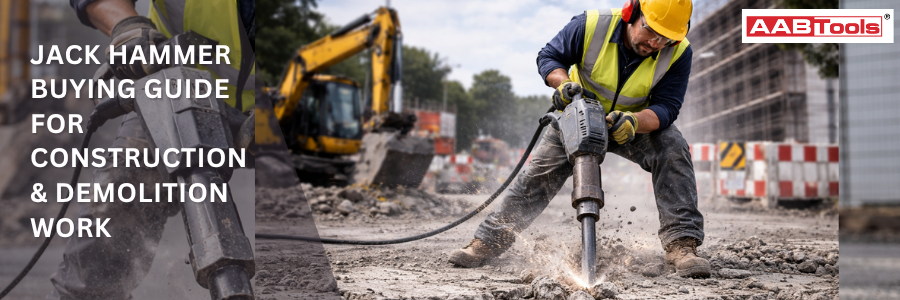
A jackhammer, often referred to as a demolition hammer, is a tool that comes in various forms - pneumatic, electric, hydraulic, or petrol-driven. It's specifically designed to break through tough materials like concrete and asphalt with high-impact strikes. Jackhammers are used in a range of tasks, from breaking up driveways and removing old tiles to digging trenches. There are different models available, catering to everything from heavy-duty industrial jobs to light renovation works. This guide will walk you through all the essentials, including how jackhammers operate, tips for choosing the right one for your needs, different types, key components and safety guidelines.
What Is a Jack Hammer?
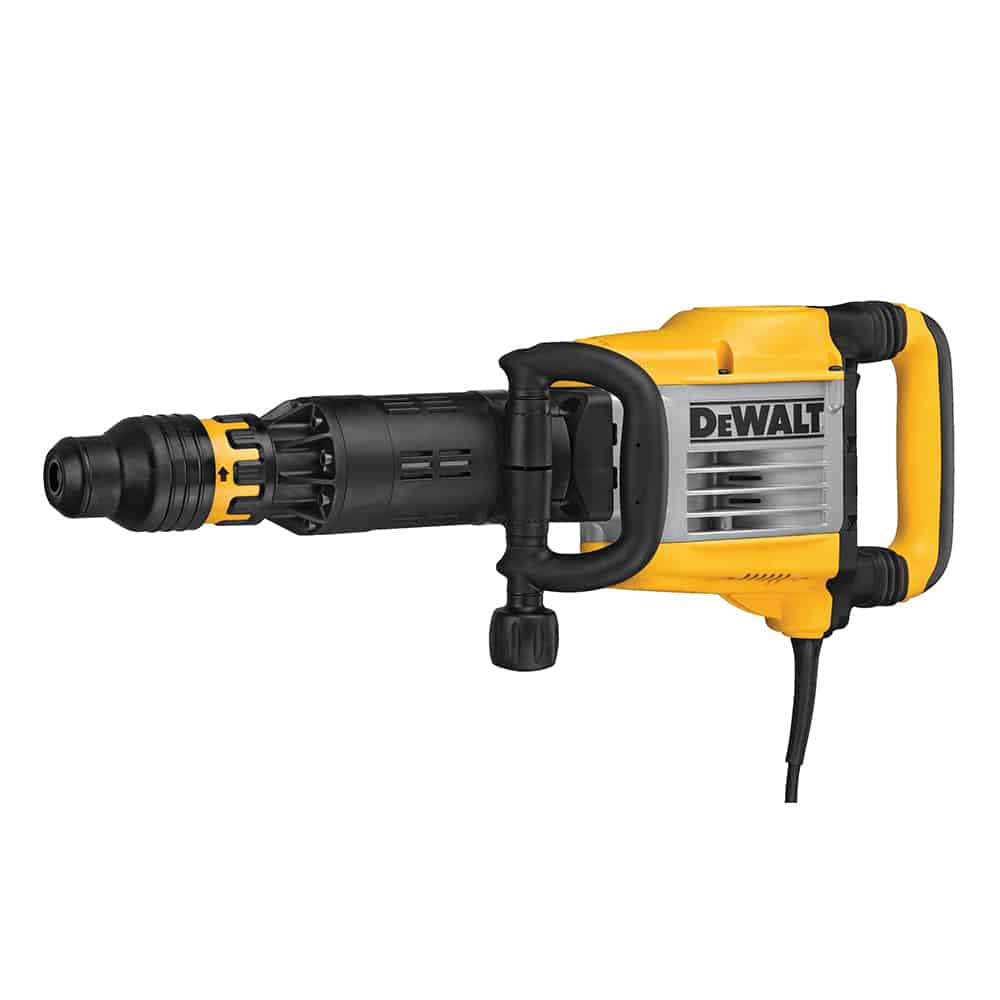
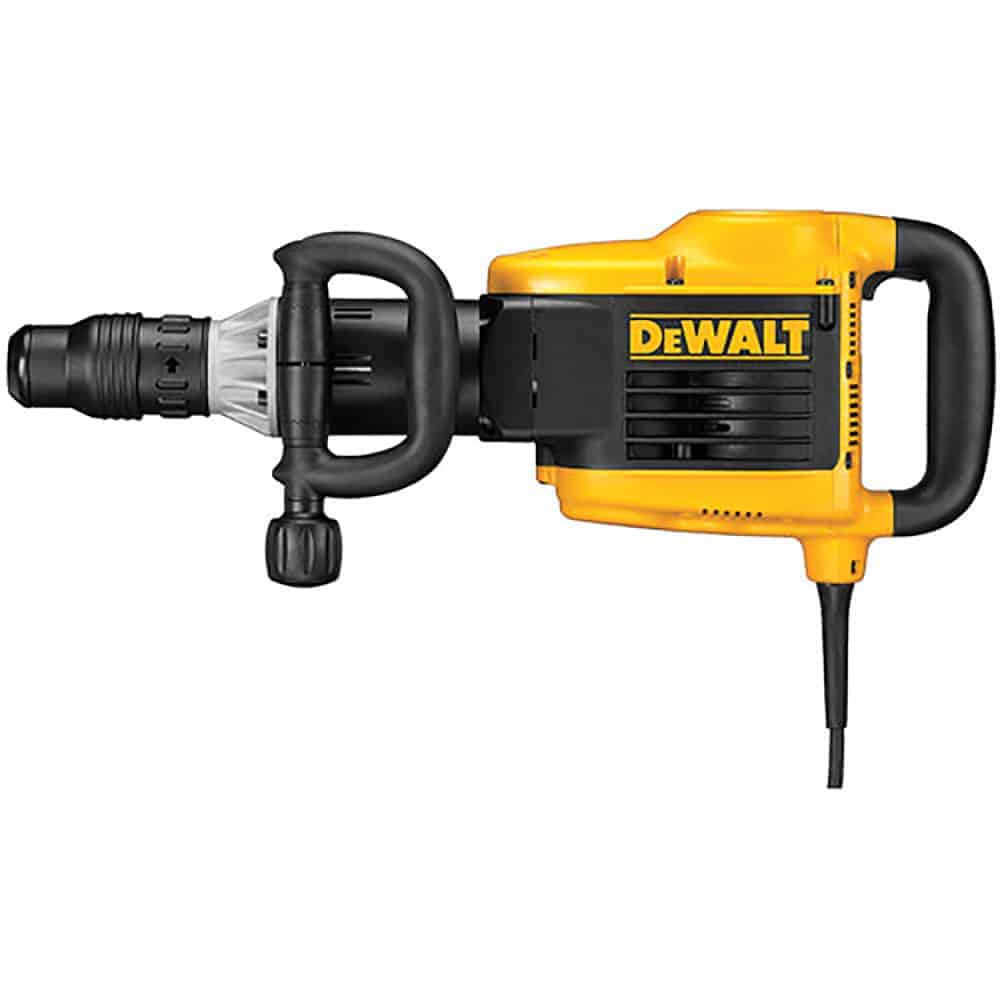
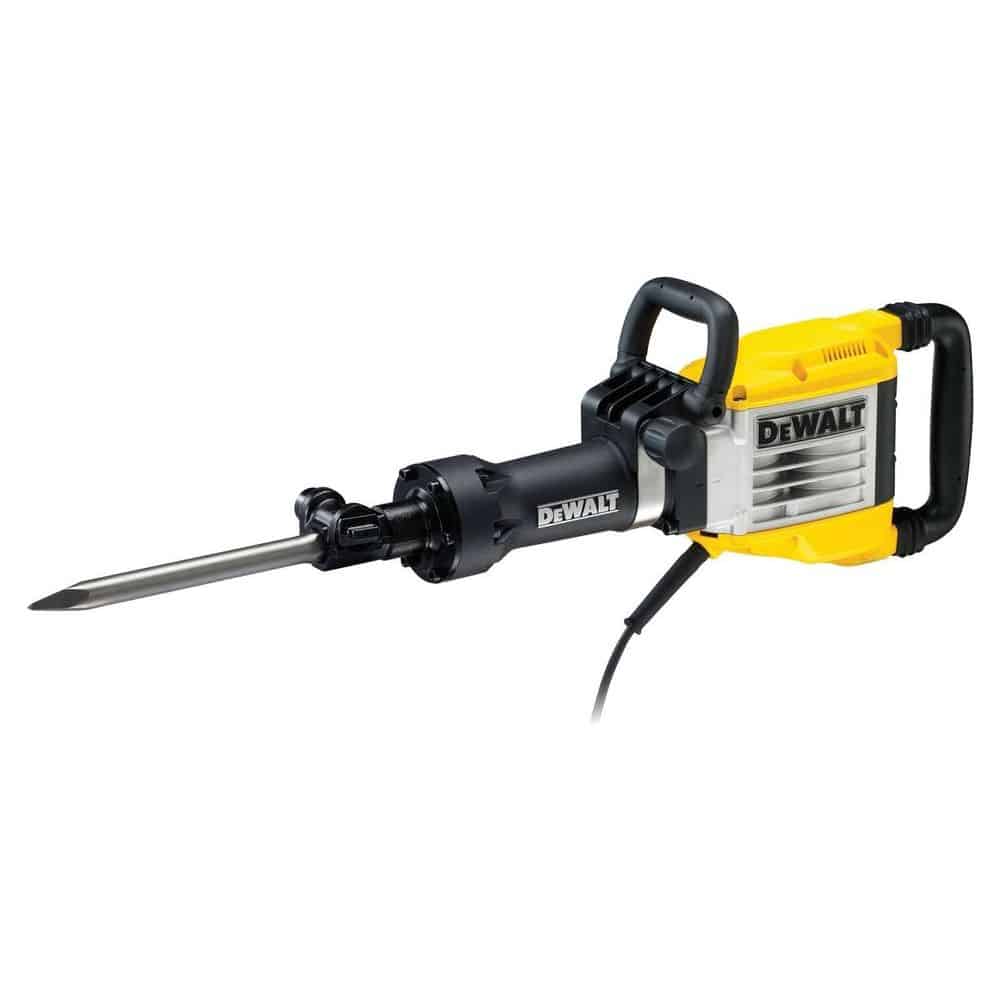
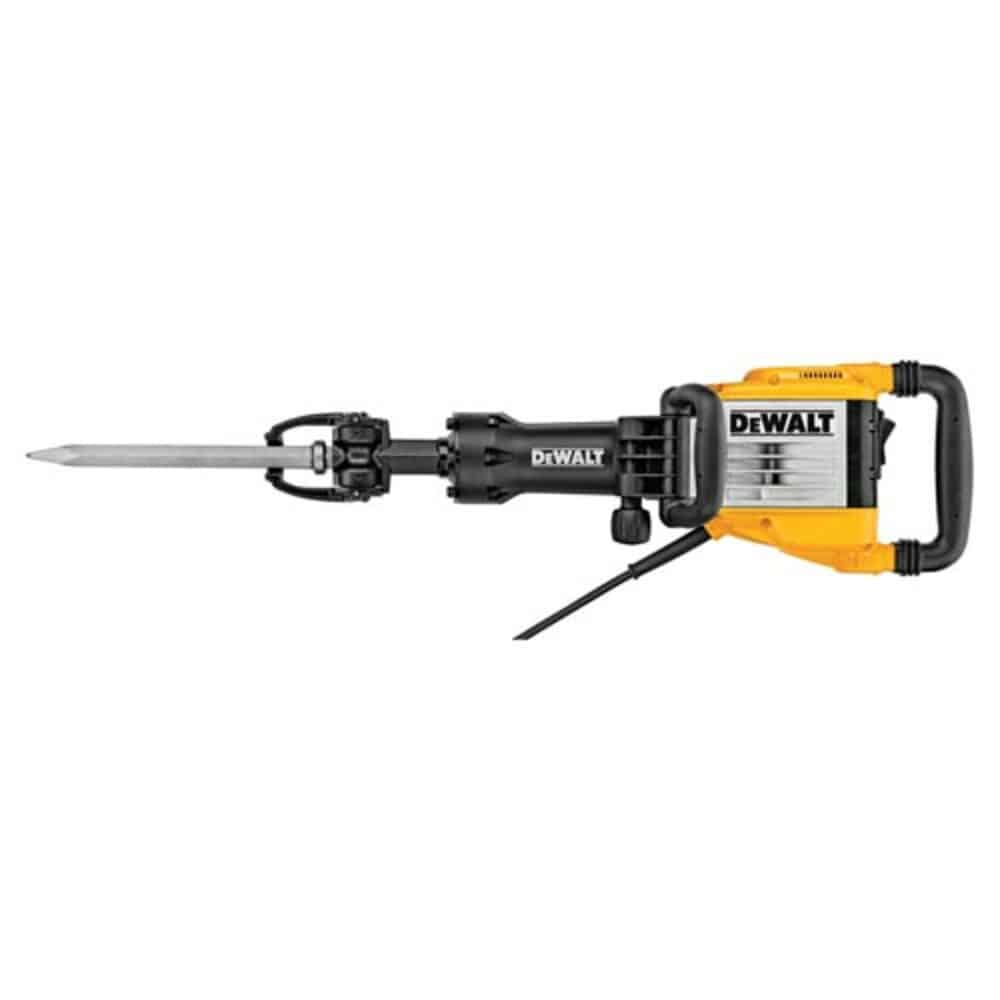
A jackhammer is a heavy-duty power tool primarily used to break up hard surfaces and materials. It is most commonly associated with road repair and large-scale demolition in construction, but modern variants can also be effective for smaller renovation tasks.
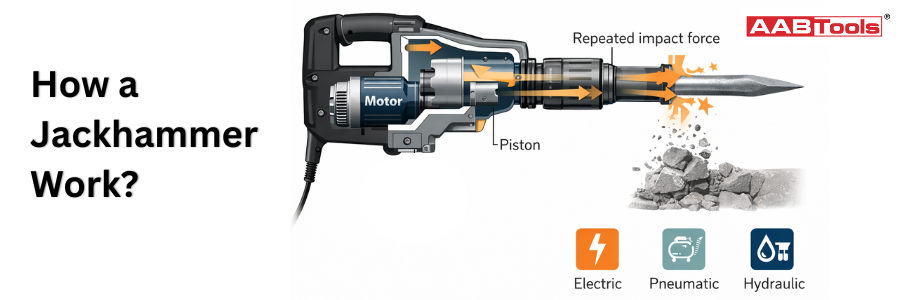
At its core, a jackhammer transmits rapid, repeated impact force through a chisel or bit into the material being worked on. The piston of the jackhammer plays a central role in this process. It moves back and forth inside the tool's housing at high speeds, generating the percussive energy necessary to chip away at concrete, asphalt, stone, or tile.
So, how does a jackhammer work? In electric models, an electric motor drives a crank or striker mechanism connected to the piston. In pneumatic models, compressed air from an external compressor powers the piston. In hydraulic models, pressurized fluid drives the mechanism. Regardless of the power source, the operating principle is to convert energy into focused, repeated impact force.
It’s also useful to understand the difference between a rotary hammer and a jackhammer. A rotary hammer combines rotation with percussion and is designed for drilling into masonry or concrete. In contrast, a jackhammer delivers pure percussive force without rotation, making it ideal for completely breaking material apart. Jackhammers are considerably heavier and more powerful, making them the preferred choice for demolition tasks.

Common Uses of a Jack Hammer
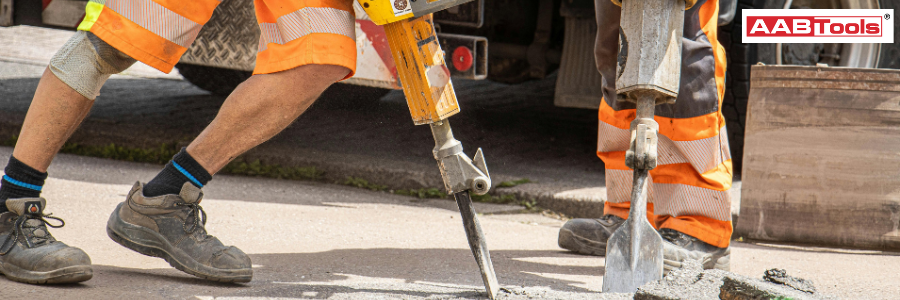
Jackhammers have a wide range of uses across different industries and job types. Here are some of the most common ways they're put to work.
Concrete Breaking
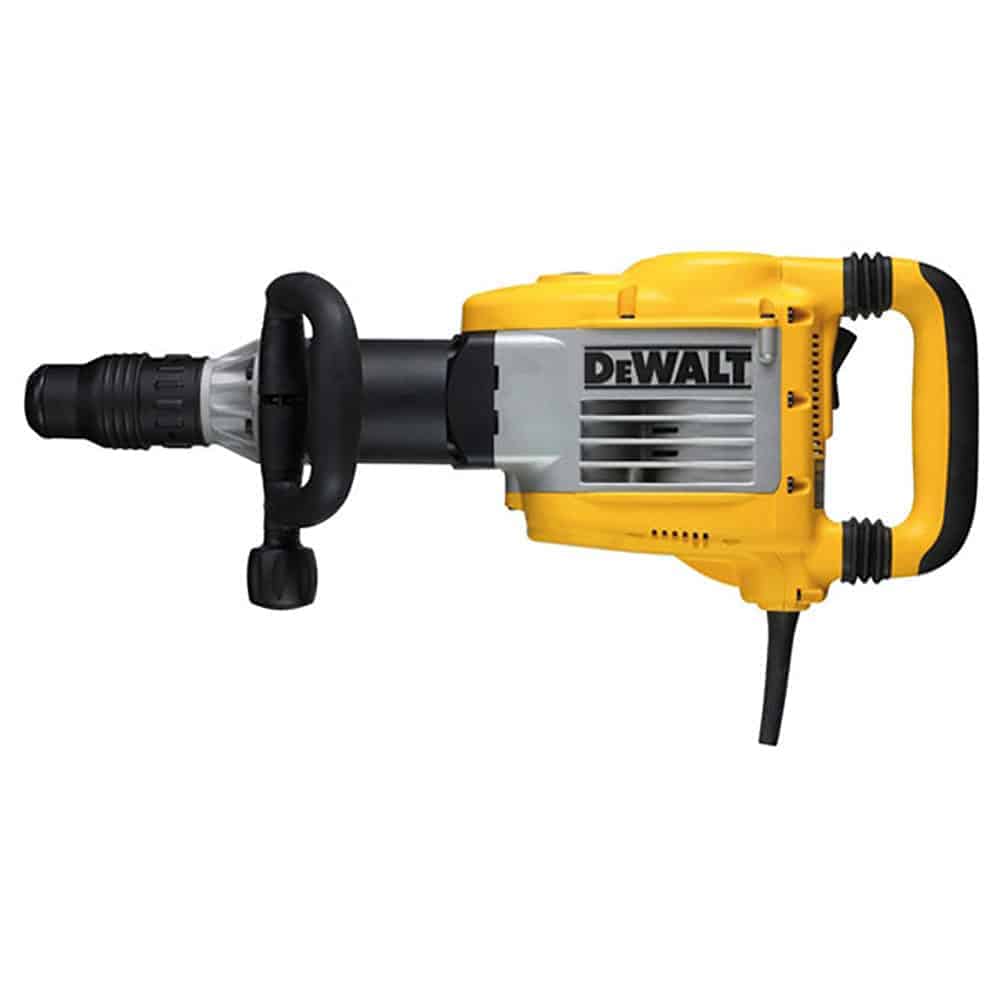
Breaking up concrete is one of the most common uses for a jackhammer. Dealing with a concrete slab, a foundation wall, or a reinforced pathway, an electric chipping hammer machine provides the impact energy necessary to break through even the most heavily reinforced surfaces. To effectively break concrete, it's essential to choose the right jackhammer bits. Typically, a pointed or flat chisel bit is ideal, as it can penetrate deeply into the material and split it efficiently. Electric demolition hammers weighing between 10 kg and 16 kg are particularly effective, offering the power needed to work through thick slabs without causing excessive fatigue for the operator.
Road Repair and Pavement Removal
Road repair is one of the most demanding tasks for any demolition tool, and this is where a pneumatic jackhammer preferred. Also known as an air jackhammer or compressor jackhammer, this type is powered by an external air compressor, making it the top choice for road crews working with thick asphalt and compacted aggregate. These tools provide continuous, high-energy blows over extended periods, making them highly effective for breaking up large sections of pavement efficiently.
Tile and Flooring Removal
Interior renovation work, such as tile and flooring removal, a small jackhammer or light-duty jackhammer is often preferred. These compact tools are easier to manoeuvre in tight spaces, generate less vibration, and put less stress on the operator during extended use. They are capable of removing ceramic tiles, stone flooring, and adhesive-backed materials without the risk of damaging underlying subfloors.
Trenching and Surface Breaking
Jack hammers are widely used to break the surface crust of hard ground before mechanical or hand excavation begins. In trenching applications, a chisel jackhammer fitted with a narrow, pointed bit can effectively penetrate compacted soil, clay, or thin rock layers. Many professionals favor an SDS jackhammer bit for these applications, as the SDS interface provides a secure and efficient connection between the tool and bit, ensuring maximum energy transfer during impact.
Industrial Demolition Applications
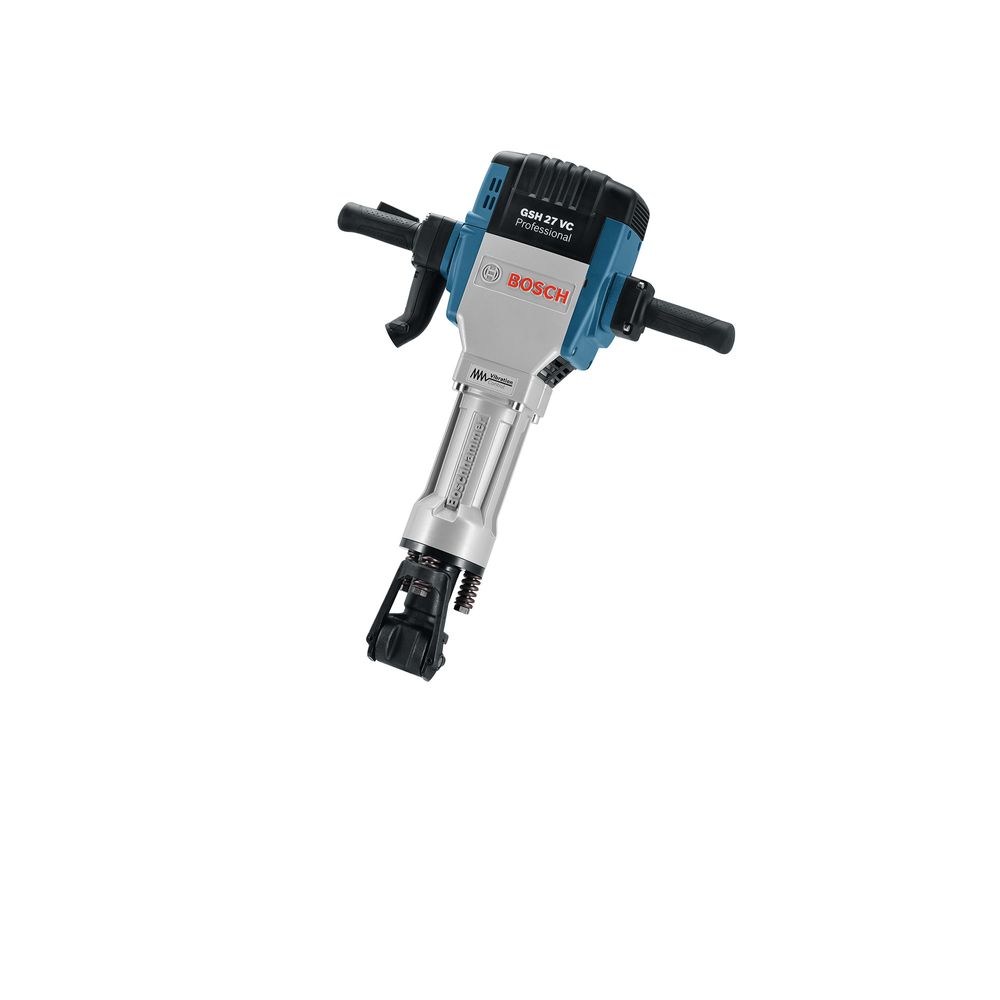
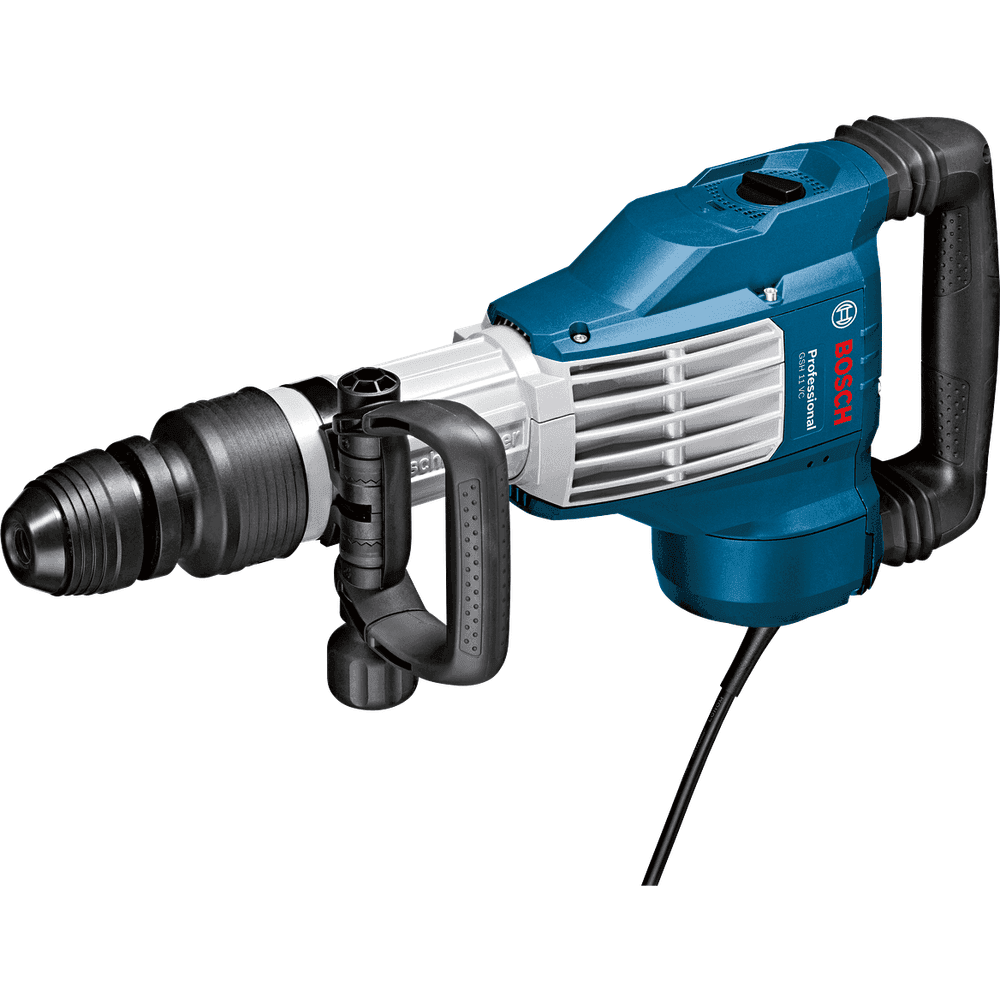
Industrial demolition demands the most powerful tools available and heavy-duty jackhammer machines such as those produced by Hilti, Makita, Gazelle or Bosch are engineered to perform work on reinforced concrete structures, bridge decks, and industrial floors. Models like the Hilti heavy duty jack hammer and the Makita demolition hammer 16kg are designed to withstand thousands of hours of continuous use.
Types of Jack Hammers
Electric Jack Hammer
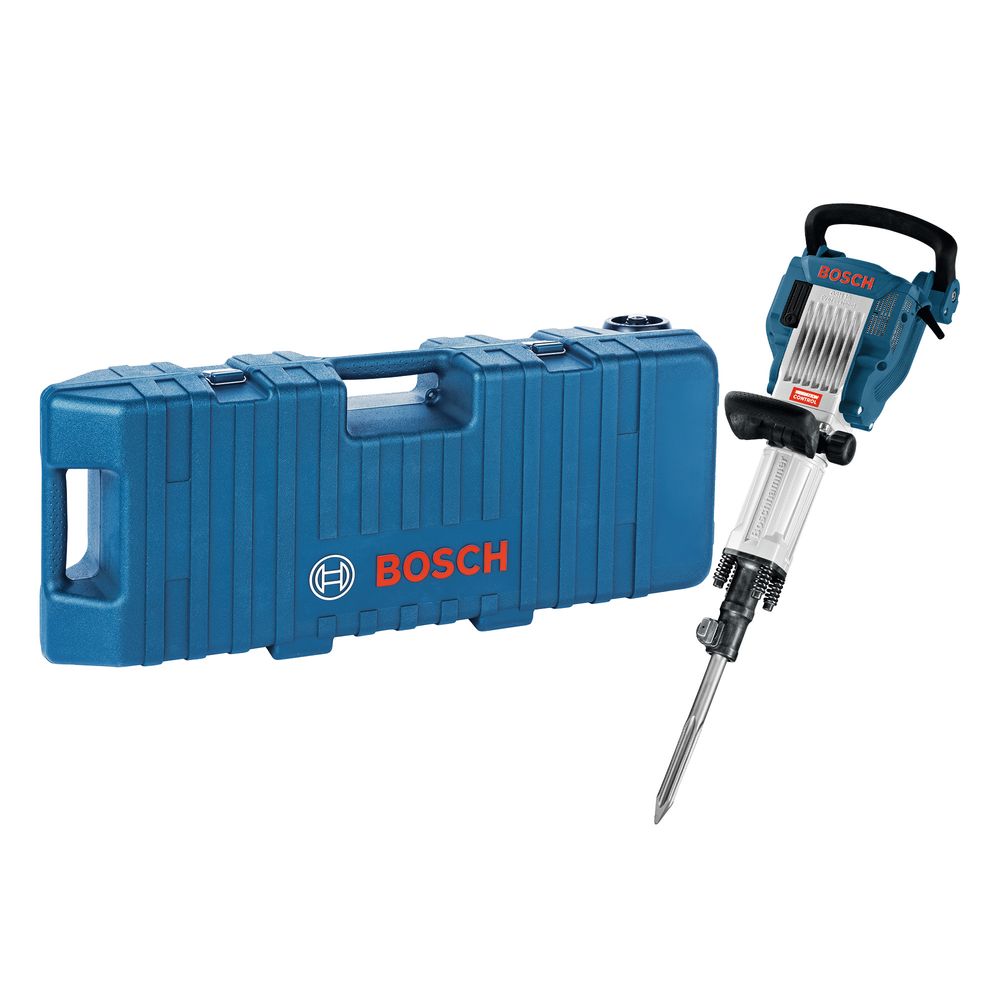
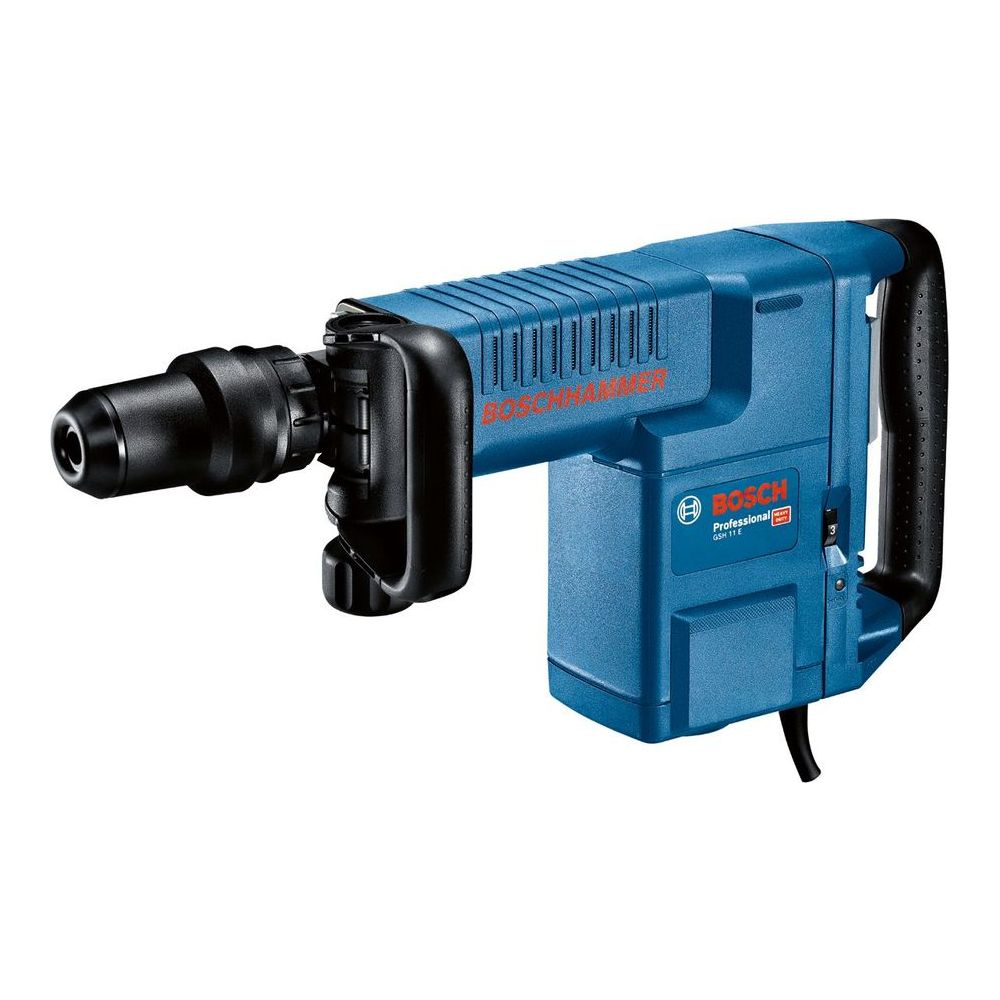
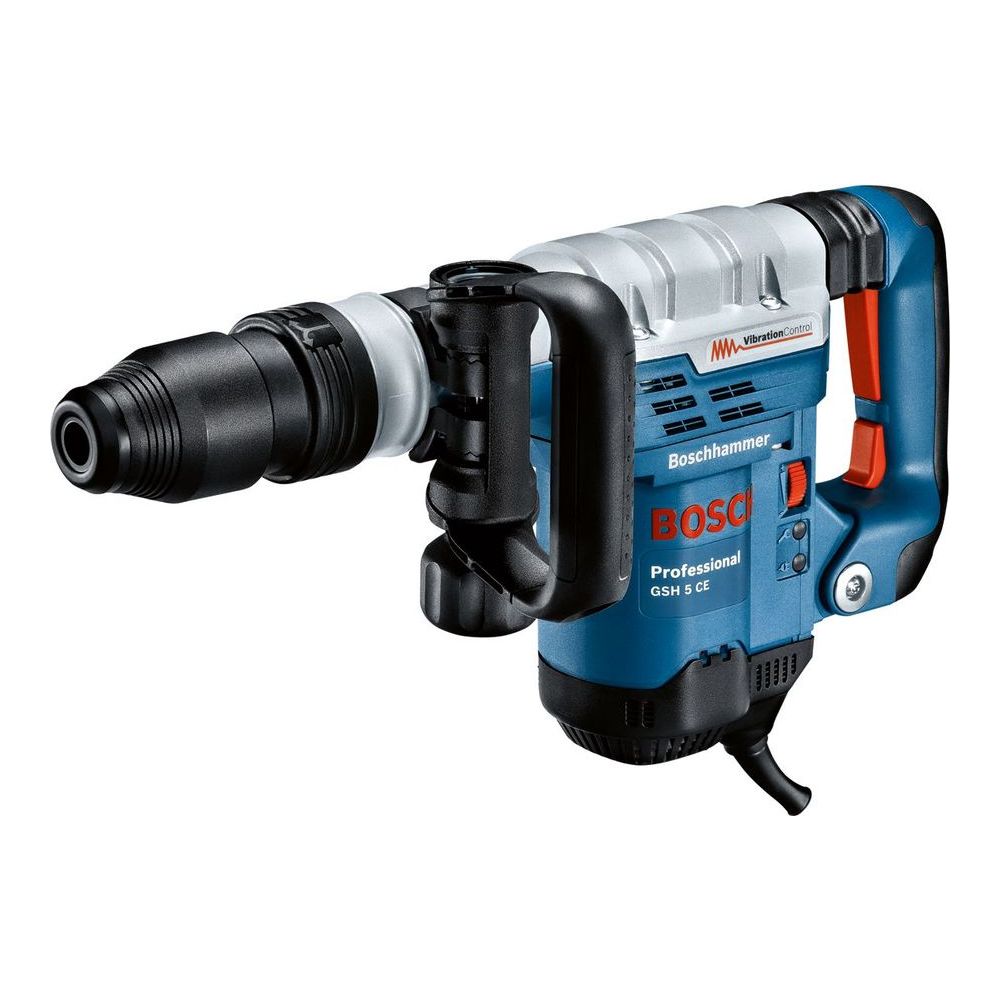
Electric jack hammers are the most widely used type of jackhammer for general construction and renovation applications. They plug into a standard power outlet and are available in a range of sizes, from compact 5 kg models up to professional 11 kg demolition hammers with SDS-Max chuck systems.
The best electric jackhammer models have high impact energy with vibration control features, making them highly preferable for both light and moderate tasks. One maintenance consideration unique to electric models is lubrication. Knowing what oil to use for electric jackhammer mechanisms is important because using the wrong lubricant can cause wear and tear, gradually causing overheating.
Pneumatic Jack Hammer
The pneumatic jackhammer, also known as a compressor jackhammer, is powered by compressed air supplied through a hose connected to an external air compressor. These tools are among the most powerful available in their class and are particularly favored for roadwork, quarrying, and heavy outdoor demolition tasks. Pneumatic jackhammers do not require an electrical power source, which makes them a good choice for remote job sites. In addition, they do require the infrastructure of an air compressor, which adds to the overall setup cost and complexity.
Hydraulic Jack Hammer
Hydraulic jack hammers are powered by pressurized hydraulic fluid, typically supplied by an excavator or a dedicated hydraulic power unit. A hydraulic jackhammer generally works with high-pressure fluid that drives the internal piston mechanism, generating extremely high levels of impact force, which often exceeds what electric or pneumatic models can produce. Hydraulic models are most commonly used in specialized applications such as demolishing reinforced structures, tunneling, underwater demolition, and heavy quarrying.
Petrol-Powered Jack Hammer
Petrol-powered jack hammers offer complete independence from electrical or compressed air supplies, making them the preferred choice for sites where infrastructure is limited. They are commonly used in roadworks, utility trenching, and rural construction projects where there is no access to power. They usually tend to be heavier and louder than electric models, as they are equipped with 2-stroke engines that drive power to the system. Petrol models do require regular engine maintenance, including fuel management and oil changes, but they deliver reliable performance in the field.
Main Parts of a Jack Hammer
A jackhammer has various important components associated with it that an operator should be aware of before using one properly. Let's see in detail about these components.
• Power Source: The core of a jackhammer tool is its power source, which can be an electric motor, pneumatic mechanism, hydraulic system, or petrol engine. This power source drives all other components of the tool. Therefore, the choice of power type depends entirely on the specific task and the environment in which the tool will be deployed.
• Handle & Grip: Jack hammers usually have two handles, a rear grip for control and a side handle for guidance. The grip is made from anti-vibration material, which is crucial for minimizing strain during extended use. Additionally, the rubber handle offers a secure grip, enabling precise control while operating the tool.
• Bit: A jackhammer bit is the part that makes contact with the material being worked on. There are various types of jackhammer bits, including pointed chisels, flat chisels, bull point bits, and specialized SDS jackhammer bits. The sizes of these bits vary depending on the application. larger bits are typically used for breaking concrete, while narrower bits are generally for trenching work.
• Housing & Vibration Control System: The outer casing of jackhammers protects the internal components and features an anti-vibration system. Different manufacturers have unique approaches to this technology. For instance, Dewalt uses SHOCKS Active Vibration Control, while Makita employs its Anti-Vibration Technology (AVT), which consists of an internal counterbalance system combined with vibration-absorbing handles. Bosch also incorporates Active Vibration Control, applying it to both the hammer mechanism and the handle to help reduce fatigue during extended concrete work. Metabo implements its VibraTech (MVT) system to minimize operator strain during drilling and chiseling. Additionally, Gazelle typically uses model-specific vibration-damping solutions, such as damped handles, shock-absorbing bodies, or internal counterbalance systems, all of which are detailed on the individual product sheets. These systems play a vital role in significantly reducing operator fatigue during prolonged use, making them essential features for all professional-grade jackhammers.
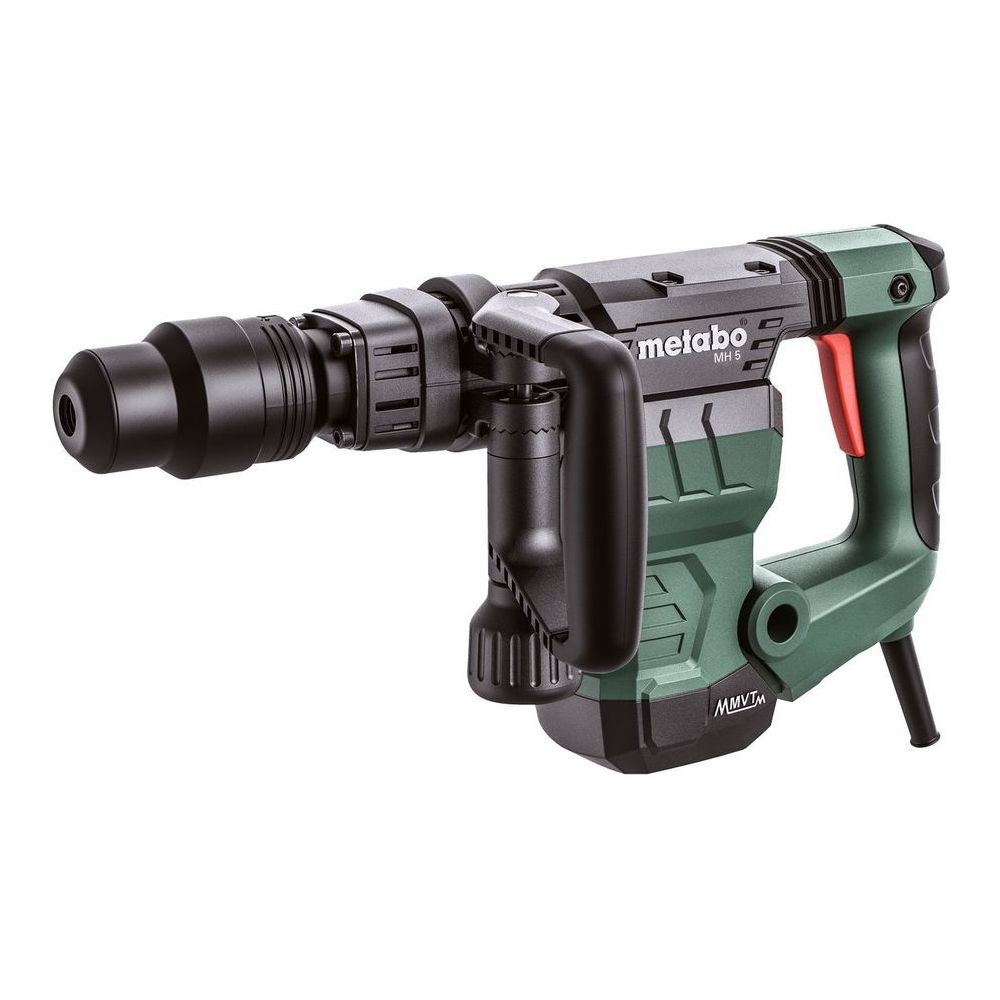
Buy Metabo Demolition Hammers in UAE


How to Choose the Right Jack Hammer
Selecting the appropriate jackhammer requires matching its capabilities to your job's demands. Consider the following factors.
• Material Type: For concrete demolition, select a model with sufficient impact energy, such as tools that produce over 30 joules for thick slabs, and equip it with the appropriate jackhammer bits for concrete. For tile and thin surface work, a lighter model is sufficient.
• Job Frequency: For occasional chipping tasks, a lightweight jackhammer that offers a good balance of affordability and performance is suitable. However, if you frequently tackle heavier projects, it's advisable to choose professional brands like Hilti, Gazelle, Metabo or Bosch. These brands are specifically designed to withstand demanding conditions and provide reliable performance.
• Work Environment: Indoor applications are primarily dominated by electric models that include dust control features. Unlike heavy-duty pneumatic models, these tools are designed to minimize noise, dust, and vibrations. For outdoor work environments, a compressor jackhammer, or air jackhammer, is the preferred choice, as it is specifically built for heavy-duty workloads rather than noise reduction, while still maintaining the necessary power for job sites.
• Budget and Long-Term Value: To find the best value in a jackhammer, consider your budget tier. Entry-level buyers should look at top-rated 5 kg demolition hammers, while professionals may prefer the best electric or cordless options from reputable brands. Prices range from $160 for basic models to over $2,700+ for heavy-duty industrial units.
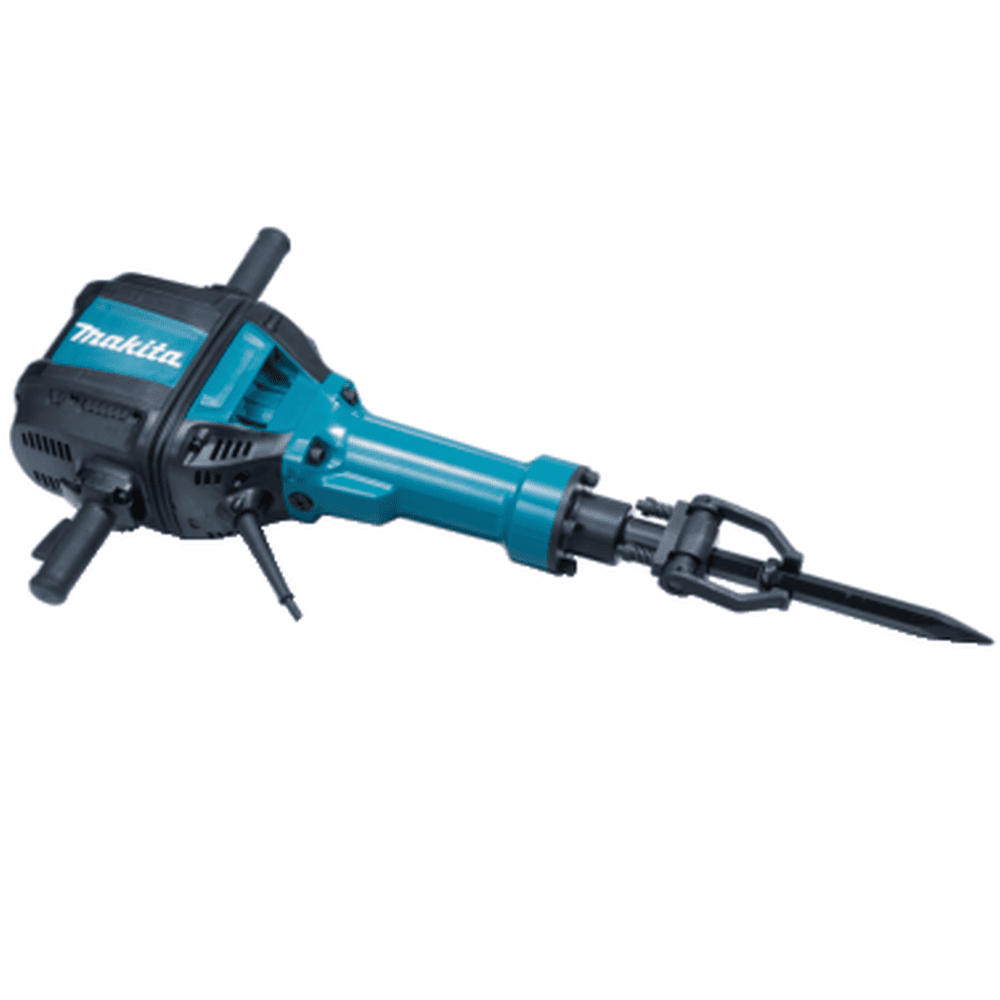
Buy Makita Demolition Hammer

Jack Hammer Safety Tips
Using a jackhammer safely is all about preparation, awareness, and sticking to the rules. To ensure a smooth and safe experience on every job, keep these essential safety guidelines in mind.
• Always make sure to wear your full PPE, such as safety goggles, hearing protection, steel-toed boots, heavy-duty gloves, and a dust mask or respirator. This is a crucial step in any safe work procedure when using a jackhammer.
• Before you dive into your work, take a moment to give your tool a thorough inspection. Check for any cracks or signs of wear. Look over the cables and hoses for any damage. Ensure the handles are secure and listen for any unusual noises while it’s running. Catching potential hazards with the jackhammer before you get started can avoid major accidents.
• Always ensure that the jackhammer is equipped with the correct bit for the material you will be working on. Using the wrong chisel or SDS jackhammer bit can cause the tool to slip or the bit to break, leading to serious injury risks.
• Never operate a jackhammer from a ladder or unstable surface. This is because the high-impact energy generated by the tool could easily destabilize the operator. Thus, one should be extra cautious while working on sloped or uneven ground.
• It is highly recommended to take regular breaks to limit continuous exposure to vibration and noise. Prolonged exposure to jackhammer noise levels and vibration without breaks significantly increases the risk of long-term health conditions.
• Before you start digging, make sure to check for any underground utilities. Failing to do so could result in serious injuries or even fatalities if you accidentally hit a buried pipe or cable.
Jack Hammer vs Demolition Hammer
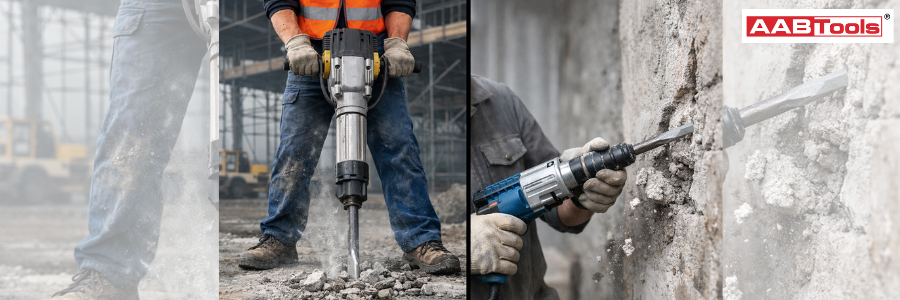
The terms "jack hammer" and "demolition hammer" or “Chipping hammer machine” often get tossed around as if they mean the same thing, but there are some key differences that really matter depending on how you're using them.
A jack hammer usually refers to those bigger, standalone tools that are often floor-mounted or require two hands to operate. They're specifically designed for breaking and demolition tasks. You can spot a jack hammer by its hefty weight, powerful impact energy, and the way you typically use it in a vertical or nearly vertical position.
On the other hand, when we talk about a demolition hammer, we're usually referring to a smaller, more portable type of electric tool. These hammers deliver percussive action without any rotation, making them perfect for chipping, breaking, and light demolition work in various positions. It's really important to know how to handle the controls and grip a demolition hammer properly to ensure safe and effective use.
Conclusion
Jackhammers are essential power tools that improve work efficiency and reduce demolition times at job sites. They are ideal for tasks such as breaking concrete slabs, removing stubborn floor tiles, and handling roadwork and trenching, as well as heavy-duty demolition. At AABTools, we provide a wide range of jackhammers at the best prices in the UAE, featuring top brands suitable for everything from light interior breaking tasks to demanding industrial and construction work.
From a compact 5kg jack hammer for controlled indoor work, a 10 kg professional model for tougher demolition, or are comparing pneumatic compressor jack hammers with cordless and electric demolition hammers, our range is built to match different job requirements and usage demands. By considering factors such as tool weight, impact energy, power source, bit compatibility, and safety requirements, you can make a more informed choice and identify the most suitable solution for your application.
AABTools supplies genuine jack hammers backed by full manufacturer warranties across UAE, featuring trusted brands such as Gazelle, DeWalt, Makita, and Bosch, all available under one roof. With local UAE stock, fast delivery, and expert pre-sales support, our team is ready to help you choose the ideal jack hammer based on your work requirement. You can also visit our AABTools Experience Center in Dubai to compare models in person, evaluate the right size and performance class, and get hands-on guidance before making your investment.